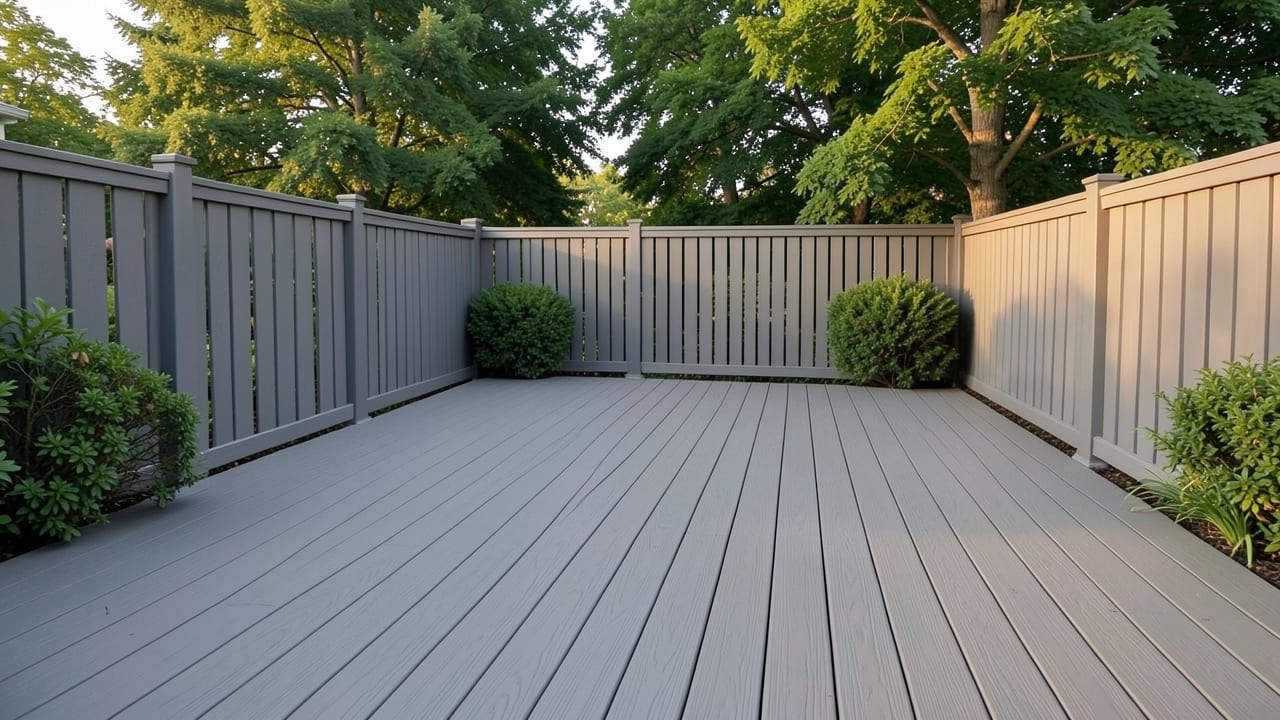
Deck & Fence Cleaning
Wood and composite deck and fence cleaning in Elk Grove, CA — restores surfaces before staining or sealing.
In Elk Grove, CA, decks and fences endure harsh sun and seasonal moisture, leading to graying, mildew, and rough surfaces. Professional deck and fence cleaning restores these structures, preparing them for staining or sealing to extend their lifespan and appearance.
Why Cleaning Matters Before Sealing or Staining
Natural wood decks and fences gray and roughen as UV rays break down surface fibers and moisture fosters mildew. Composite materials resist rot but accumulate grime and mildew, dulling their color over time.
We also handle HOA Common Area Washing and New Construction Final Clean for Elk Grove properties.
A thorough cleaning removes dirt, old sealant, and mildew, ensuring new stain or sealant bonds properly. Without this step, finishes peel or fail prematurely, wasting both time and money.
Signs Your Deck or Fence Needs Cleaning
- Visible graying or discoloration on wood surfaces
- Mildew or dark streaks, especially in shaded or damp areas
- Rough texture underfoot or to the touch on decking
- Dull, streaky appearance on composite or vinyl materials
- Peeling or flaking stain/sealant from previous applications
Material-Specific Pressure Adjustments
Wood requires lower pressure to avoid splintering, raising grain, or damaging soft spots. A wider fan-tip nozzle distributes force evenly, protecting the surface while removing grime.
Composite decking has manufacturer-recommended pressure limits, often around 1,500–2,000 PSI with a 25–40° fan-tip. Vinyl and metal fencing can typically handle standard pressure, but attention to detail at post bases is critical.
| Material | Max Pressure (PSI) | Nozzle Type | Special Notes |
|---|---|---|---|
| Natural Wood Deck/Fence | 800–1,200 | 25–40° fan-tip | Use lowest effective pressure; pre-wet wood to reduce damage |
| Composite Decking | 1,500–2,000 | 25–40° fan-tip | Follow manufacturer guidelines to avoid voiding warranty |
| Vinyl Fencing | 1,500–2,500 | 25° fan-tip | Test small area first to check for damage |
| Metal Fencing | 2,000–3,000 | 15–25° fan-tip | Avoid direct pressure on welds or fasteners |
Timing and Cost Considerations
Cleaning should be scheduled 1–3 days before staining or sealing to allow wood to dry fully. Composite and vinyl can often be sealed or stained immediately after cleaning if the surface is dry.
Pricing depends on square footage, material, and condition. Heavily soiled or mildew-covered surfaces may require pre-treatment, adding to the cost.
How Deck & Fence Cleaning Works
Our process ensures a deep clean without damaging your surfaces.
- 1Pre-Inspection
We assess the material, condition, and any problem areas like mildew or peeling stain to determine the right pressure and cleaning agents.
- 2Pre-Treatment
A mild detergent or specialized cleaner is applied to loosen grime, mildew, and old sealant, especially on heavily soiled or composite surfaces.
- 3Pressure Washing
Using material-specific pressure settings and nozzles, we wash the surface in overlapping passes, keeping the wand 12–18 inches away to avoid damage.
- 4Rinsing & Drying
A final rinse removes all cleaner and debris. We recommend allowing 1–3 days of dry weather before applying stain or sealant.
Frequently Asked Questions
How often should I clean my deck or fence in Elk Grove?
Natural wood decks and fences should be cleaned annually, or every 1–2 years if well-maintained. Composite, vinyl, and metal can often go 2–3 years between cleanings, depending on exposure.
Will pressure washing damage my wood deck?
Not if done correctly. We use lower pressure (800–1,200 PSI) and wide fan-tip nozzles for wood, and always test a small area first to ensure the settings are safe.
Can you clean my fence if it’s heavily mildewed?
Yes. We pre-treat with a mildew-specific cleaner to break down the growth before pressure washing, ensuring a thorough and even clean without damaging the wood.
Do I need to seal my deck after cleaning?
Sealing is highly recommended for wood decks and fences to prevent graying and extend the life of the material. Composite and vinyl typically don’t require sealing but benefit from UV-protective cleaners.
See Hood, CA for more, or explore what we cover for Elk Grove properties side by side for our complete lineup.
Ready to get started?
Talk to a local pressure washing pro in Elk Grove — get a written quote.
Other Pressure Washing Services in Elk Grove
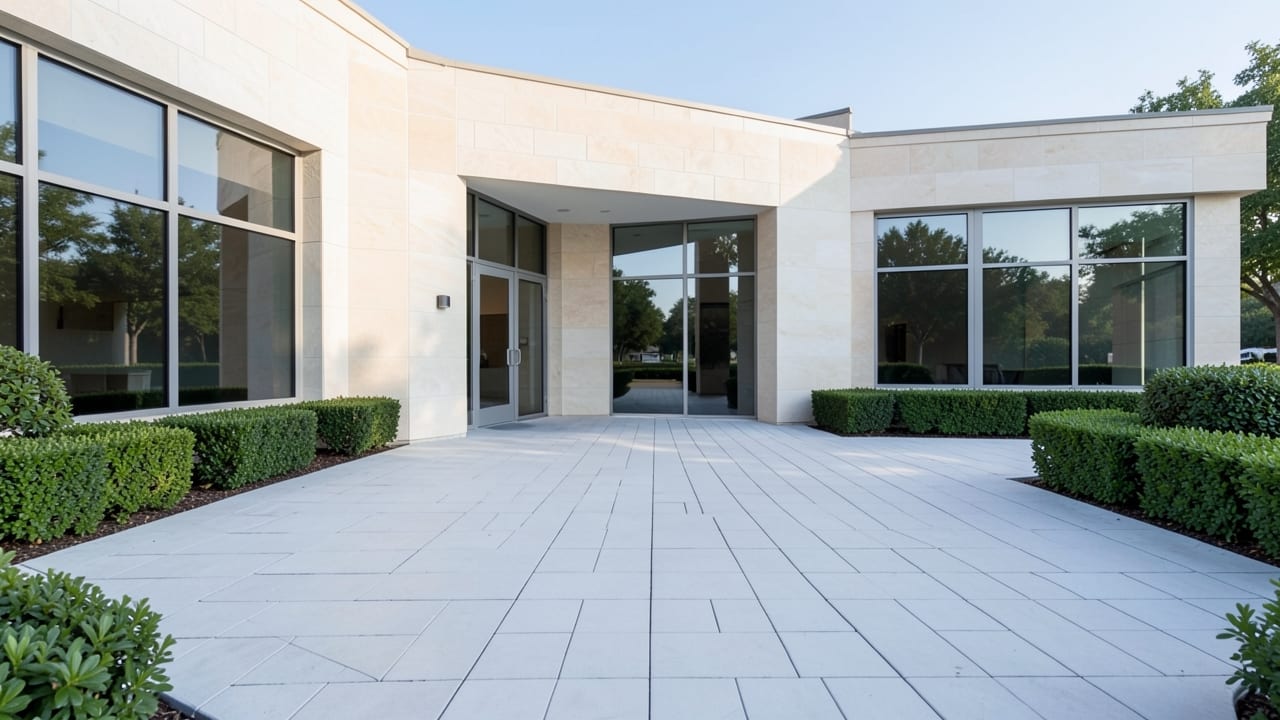
HOA Common Area Washing in Elk Grove, CA
Pressure washing HOA common areas like sidewalks, playgrounds, and entryways to remove dirt and grime.
Learn More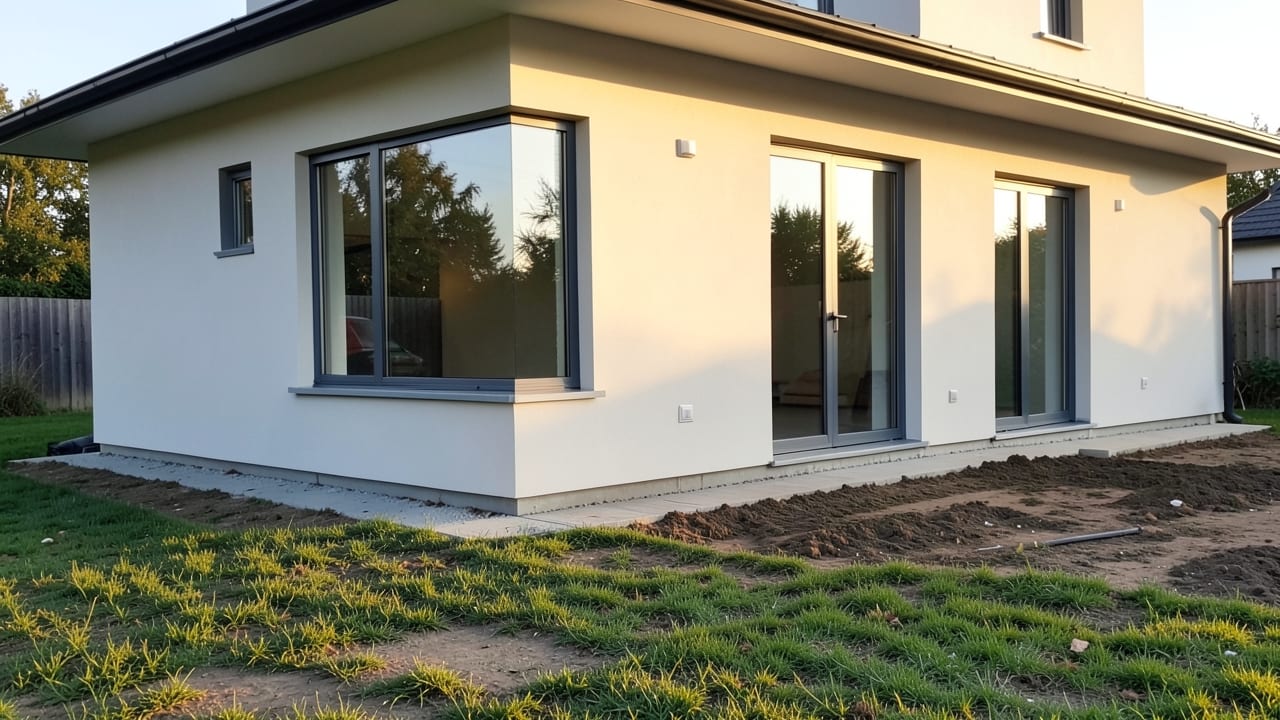
New Construction Final Clean in Elk Grove, CA
Thorough post-construction cleanup using pressure washing to remove debris, dust, and residue from new builds.
Learn More
Hard Water Stain Removal in Elk Grove, CA
Pressure washing to remove hard water stains from exterior surfaces.
Learn More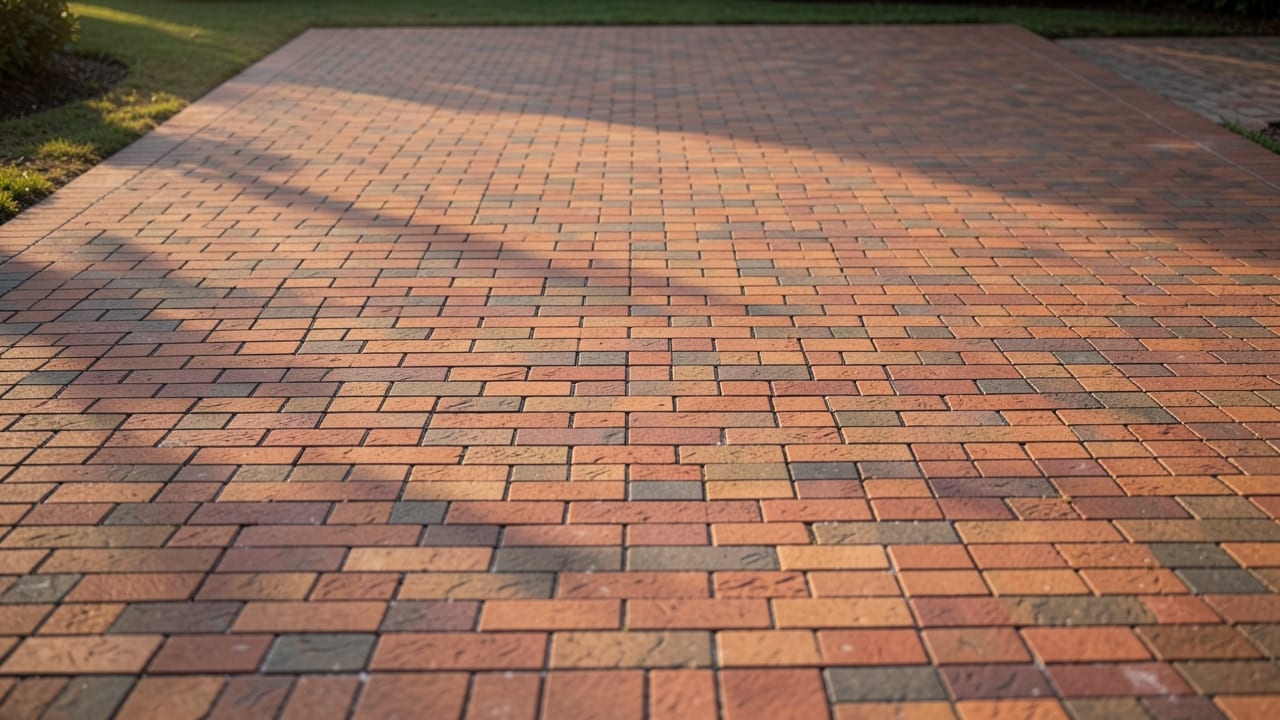
Salt Deposit Removal in Elk Grove, CA
High-pressure washing to remove salt deposits from surfaces like driveways and sidewalks.
Learn More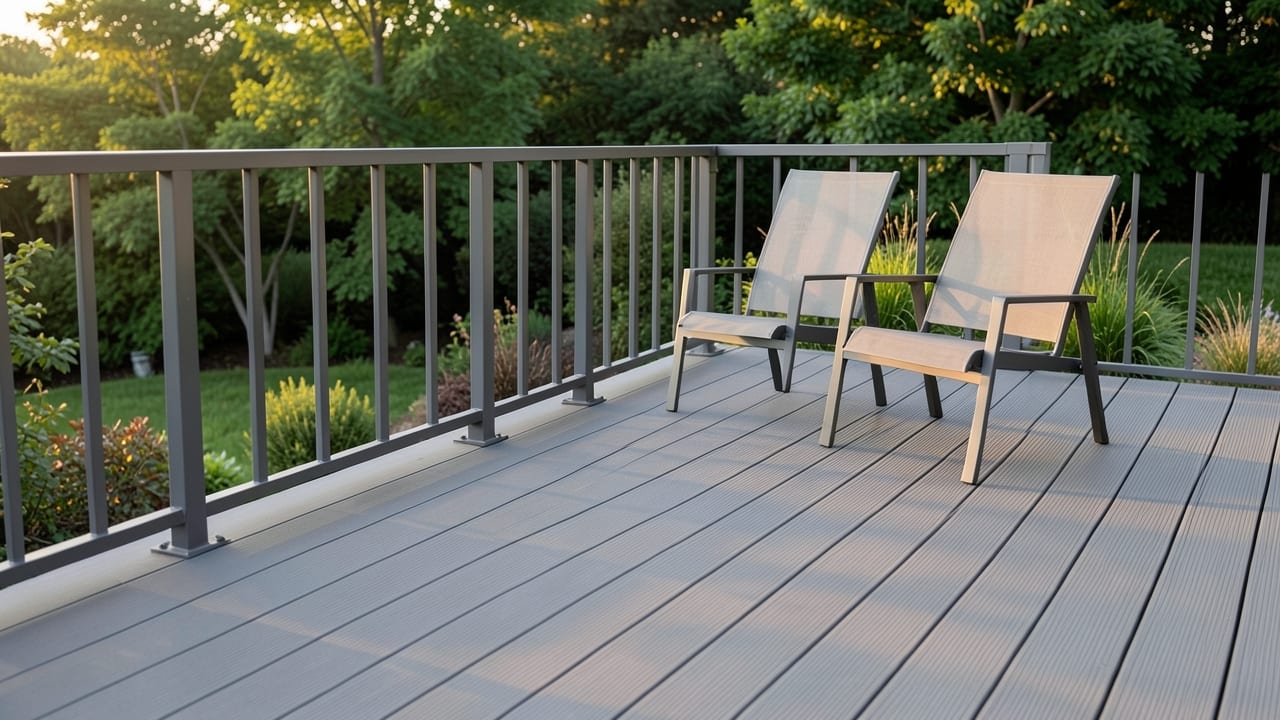
Spring Pollen Removal in Elk Grove, CA
High-pressure washing to remove pollen buildup from exterior surfaces.
Learn More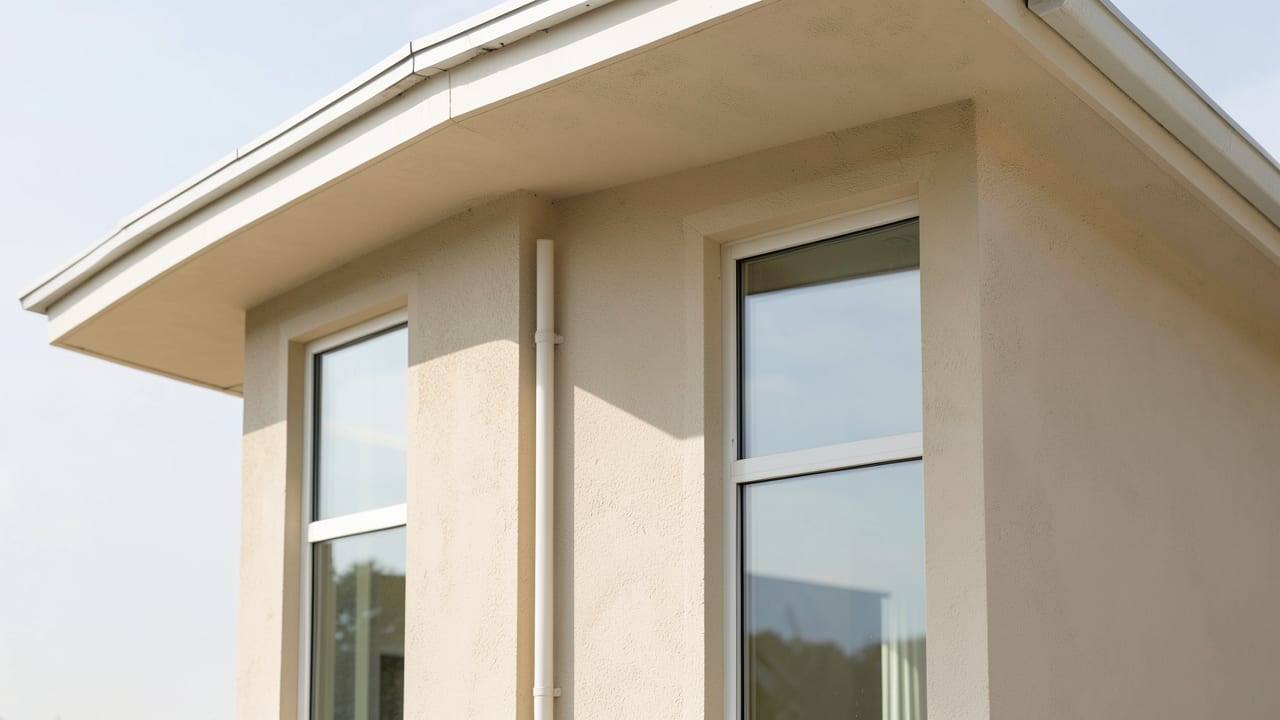
Pre-Sale Exterior Refresh in Elk Grove, CA
High-pressure cleaning of home exteriors, driveways, decks, and walkways to remove dirt, grime, and stains.
Learn MoreCommon Questions About Pressure Washing in Elk Grove
Everything you need to know about pressure washing services in Elk Grove
How much does Deck & Fence Cleaning typically cost in Elk Grove, CA?
Does winter road salt affect driveway washing needs in Elk Grove, CA?
Can pressure washing damage concrete, pavers, or mortar joints?
What are the actual named steps in a professional pressure washing job?
Can the wrong PSI actually damage a house or driveway?
What's the actual difference between pressure washing and soft washing?
Need Pressure Washing in Elk Grove?
Get a written quote from our Elk Grove crew.
⏰ We answer your call • Serving all of Elk Grove and surrounding areas