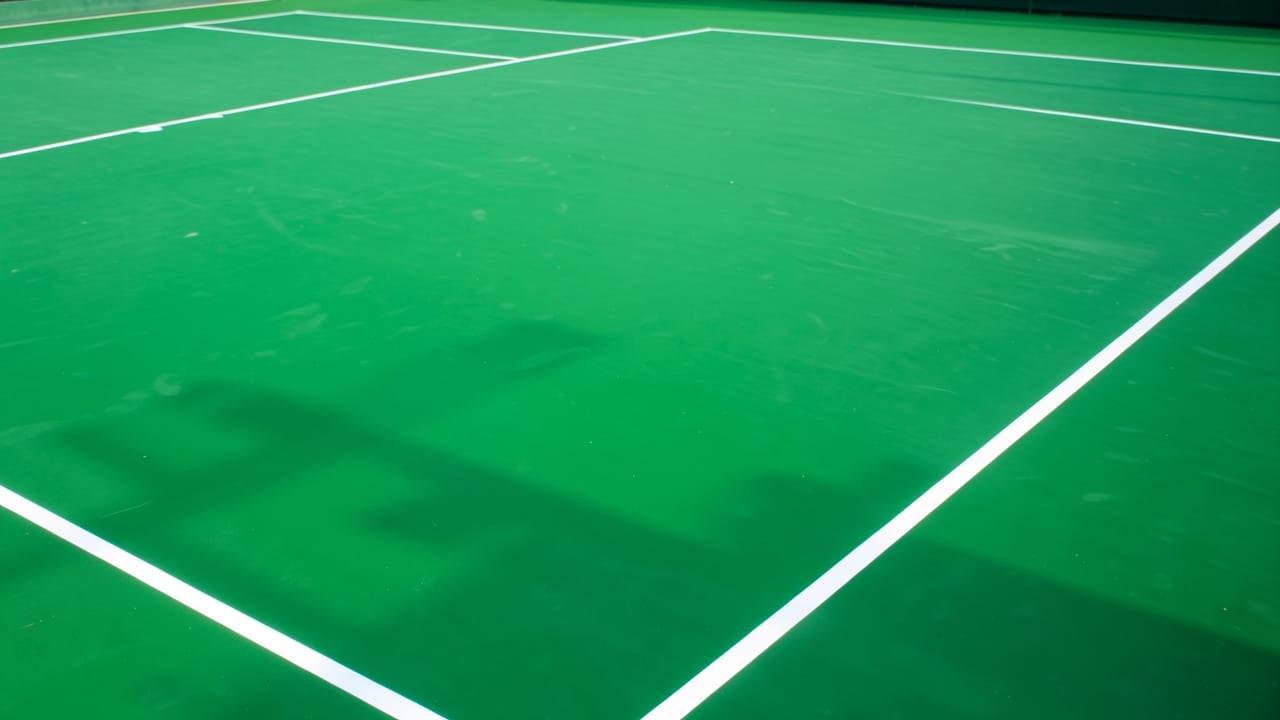
Tennis Court Cleaning
Pressure washing to remove dirt, moss, and stains from tennis court surfaces.
Tennis court cleaning in Elk Grove, CA, involves high-pressure washing to remove dirt, algae, moss, and stains from hard or clay surfaces. This process restores playability, enhances safety, and prevents long-term damage. Proper techniques and surface-specific care ensure a thorough clean without harming decorative finishes or spreading stains.
When to clean your tennis court
A tennis court may need cleaning if stains from oil, tires, or rust don’t fade after rain, or if the surface feels unusually slick when wet.
We also handle Rental Property Washing and Condo Association Washing for Elk Grove properties.
Organic growth like algae or moss often appears as a green or black tinge in shaded areas, while a white, powdery haze indicates mineral deposits called efflorescence. These signs suggest it’s time for a professional clean to restore the court’s appearance and safety.
Prompt cleanup of fresh spills—especially oil or fluids—helps prevent deep staining. Low spots that hold water after rain are prime areas for algae buildup, so addressing drainage issues can reduce future staining. Regular sweeping also prevents organic debris from decomposing and causing set-in stains that require professional treatment later.
Signs Your Tennis Court Needs Cleaning
- Dark stains from oil, tires, or rust that don’t fade or spread slightly at the edges over time.
- A noticeably slick surface when wet, beyond what plain wet concrete normally feels like.
- Green or black discoloration in shaded corners or low spots where water pools after rain.
- A white, powdery haze on the surface, often mistaken for dust but actually mineral deposits.
What affects cleaning costs and timing
Cleaning costs for a private tennis court depend on the surface type—stamped, sealed, or plain concrete—and the extent of staining or buildup. Larger courts or those with intricate designs may require more time and specialized techniques, which can influence pricing.
Scheduling around league play or private use ensures minimal disruption while allowing thorough cleaning.
Pre-treatment with detergents for oil or organic stains is often necessary to lift deep-seated dirt effectively. Post-cleaning sealing helps the finish last longer by preventing future staining, but it may be offered as an add-on.
Always confirm whether the service includes containment of runoff to comply with local regulations and protect nearby landscaping.
What to expect during cleaning
Professional tennis court cleaning begins with an inspection to identify surface type and staining. A degreasing or stain-lifting solution is applied to oil or organic stains and left to dwell before pressure washing. The surface is then cleaned in overlapping passes with a surface cleaner attachment to ensure even coverage.
Edges, joints, and corners are finished separately at a lower pressure to avoid etching. A final rinse with clear water ensures all detergent and contaminants are removed, with runoff directed away from storm drains or planting beds. Post-cleaning, the court is inspected for any remaining stains or damage.
| Step | Purpose | Key Consideration |
|---|---|---|
| Surface Inspection | Identify concrete type (plain, sealed, or stamped) | Avoids discoloration or damage to decorative finishes |
| Detergent Application | Lift oil, grease, or organic stains | Prevents spreading stains during pressure washing |
| Pressure Washing | Remove dirt, algae, and stains | Consistent distance and angle for even results |
| Edge and Joint Cleaning | Finish hard-to-reach areas | Lower pressure to prevent etching |
| Final Rinse | Remove all detergent and contaminants | Contain runoff to protect landscaping |
How tennis court cleaning works
A thorough clean restores your court’s playability and appearance while preventing long-term damage.
- 1Inspect the Surface
The court is examined to identify the concrete type—plain, stamped, or sealed—and the extent of staining or buildup. This ensures the cleaning process is tailored to avoid damage or discoloration.
- 2Apply Detergent
A degreasing or stain-lifting solution is applied to oil spots, tire marks, or organic stains and left to dwell. This step helps lift deep-seated dirt rather than spreading it during pressure washing.
- 3Pressure Wash with Surface Cleaner
The surface is cleaned in overlapping passes using a surface cleaner attachment held at a consistent distance and angle. This produces an even result and prevents streaking or etching.
- 4Clean Edges and Joints
Expansion joints, edges, and corners are finished separately at a lower pressure to avoid damaging the concrete or leaving visible lines.
- 5Rinse and Contain Runoff
A final rinse with clear water removes all detergent and contaminants. Runoff is directed away from storm drains and planting beds to protect the environment and landscaping.
Frequently asked questions
How do I know if my tennis court needs professional cleaning?
Look for dark stains that don’t fade after rain, a slick surface when wet, or green/black discoloration in shaded areas. These signs indicate built-up dirt, algae, or mineral deposits that require professional treatment to restore the court’s condition.
Will pressure washing damage a stamped or sealed concrete court?
Pressure washing can discolor or damage sealed or stamped concrete if done at the same setting used for plain concrete. A professional will adjust pressure and techniques based on the surface type to avoid harming decorative finishes.
How long does it take to clean a tennis court?
Cleaning typically takes 1–3 hours for a standard private court, depending on size, surface type, and staining severity. Larger or heavily stained courts may require additional time for thorough cleaning.
Can I clean my tennis court myself, or should I hire a professional?
DIY cleaning with a pressure washer risks spreading oil stains, etching the surface, or damaging decorative finishes. A professional uses proper detergents, techniques, and equipment to ensure a safe and effective clean without causing harm.
Where Elk Grove sits, and what the Census lists nearby
Elk Grove sits in California, and the closest places listed in the U.S. Census Gazetteer are Florin (4.8 miles north), Vineyard (5.3 miles northeast), Franklin (5.3 miles southwest), Parkway (6.9 miles northwest). Within 25 miles of Elk Grove the same source lists 53 distinct incorporated places and census-designated places.
Those figures matter for tennis court cleaning because they are straight-line distances between Census coordinate points: road mileage between Elk Grove and Florin runs longer than the 4.8 miles shown, which is why quotes for the same job differ between towns that look close together on a map.
Source: U.S. Census Bureau Gazetteer.
See Courtland, CA for more, or find out about the pressure washing work we do around Elk Grove by service type for our complete lineup.
Ready to get started?
Talk to a local pressure washing pro in Elk Grove — get a written quote.
Other Pressure Washing Services in Elk Grove
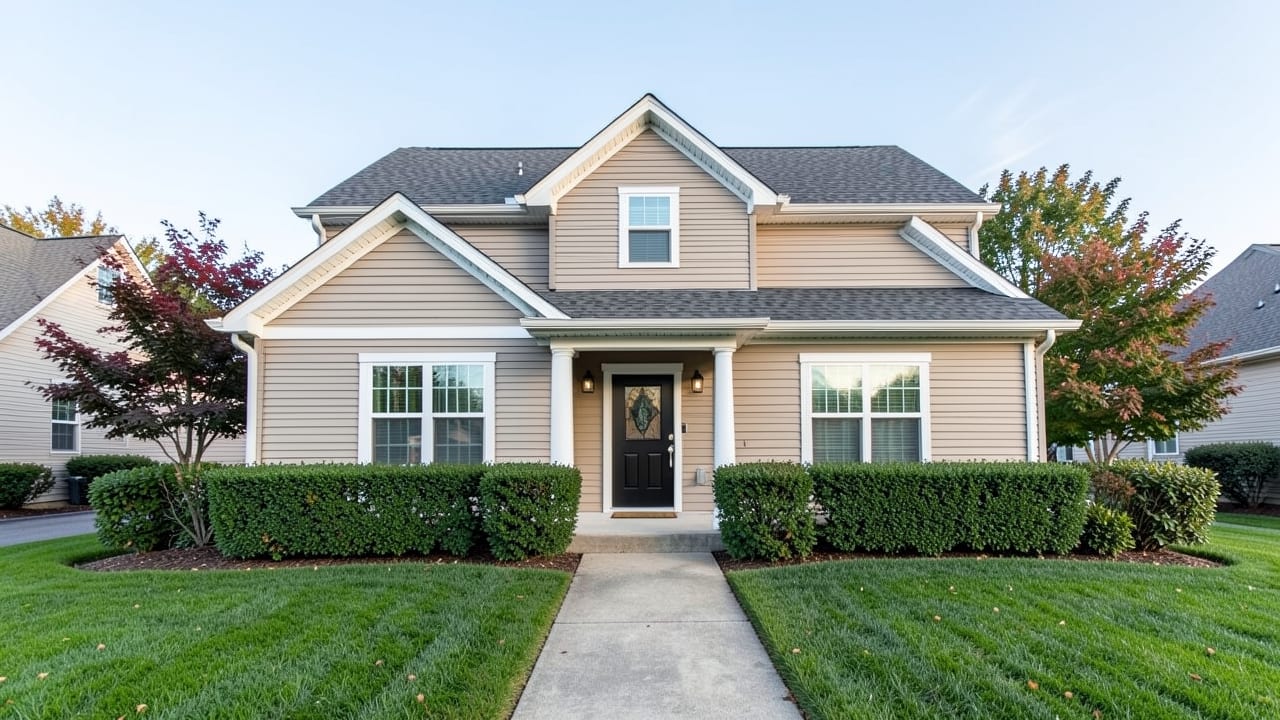
Rental Property Washing in Elk Grove, CA
High-pressure cleaning of rental property exteriors to remove dirt, grime, and mold.
Learn More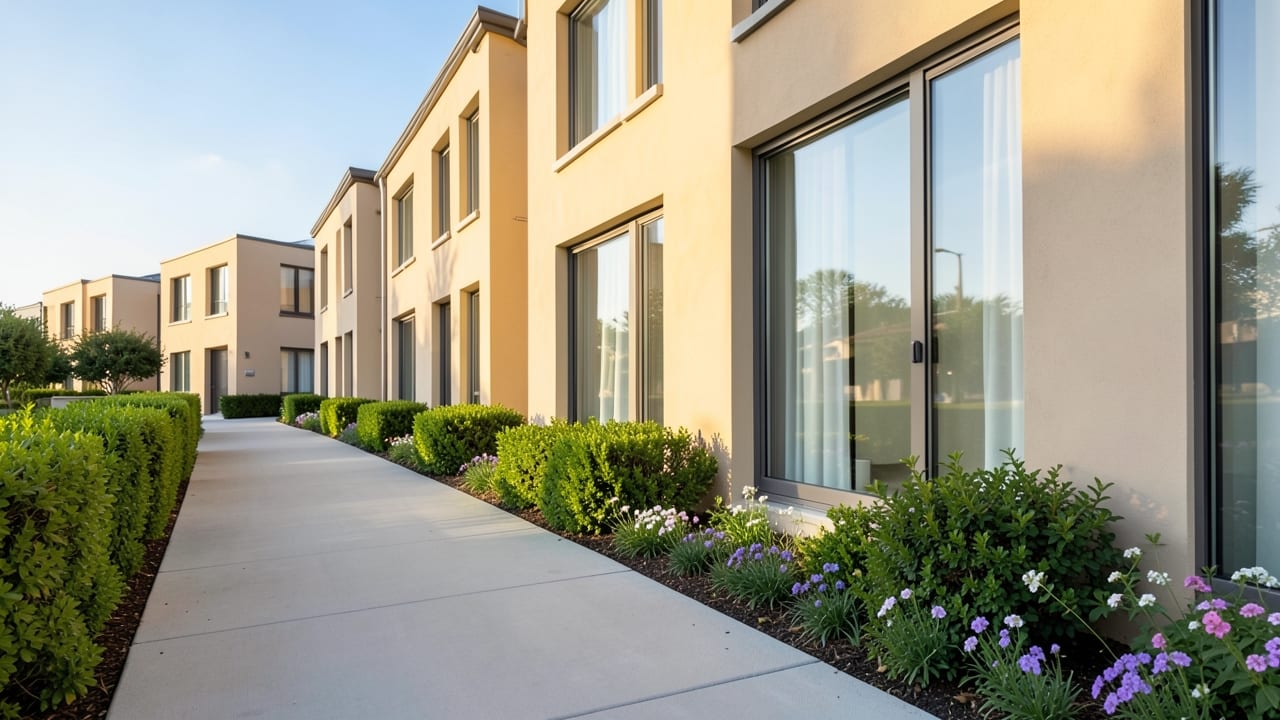
Condo Association Washing in Elk Grove, CA
High-pressure cleaning of condo association exteriors, walkways, and common areas to remove dirt and grime.
Learn More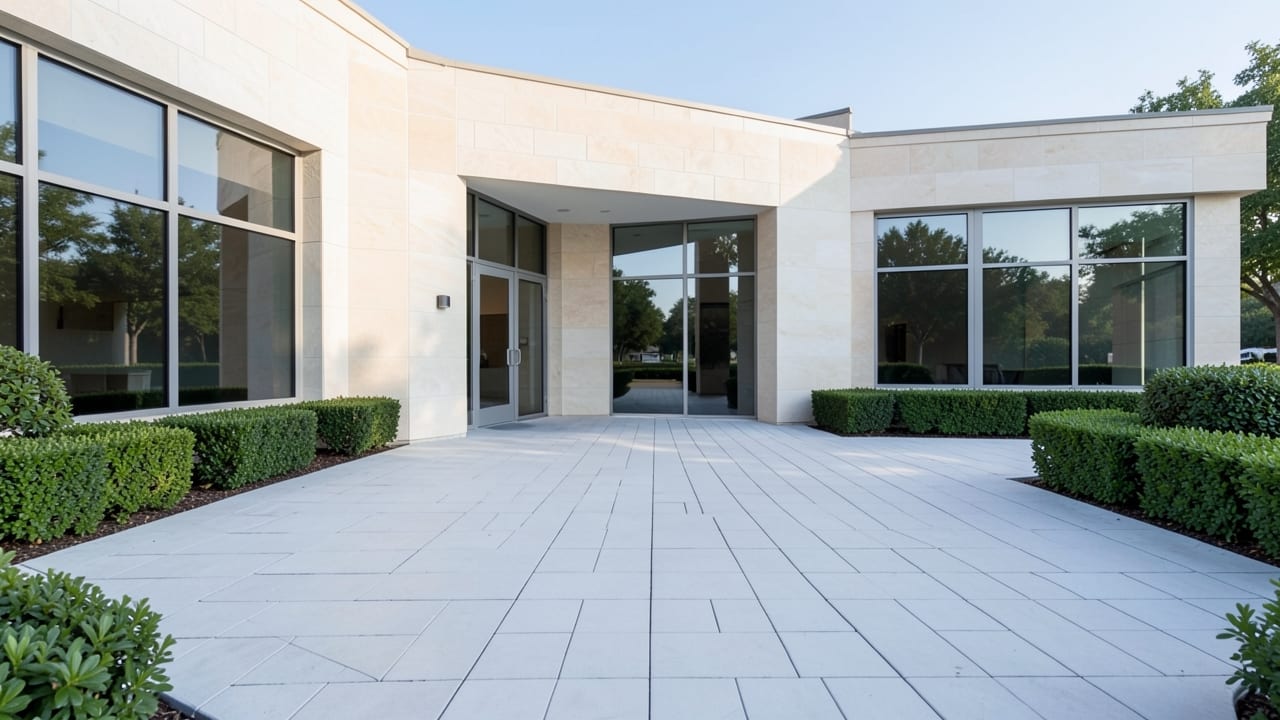
HOA Common Area Washing in Elk Grove, CA
Pressure washing HOA common areas like sidewalks, playgrounds, and entryways to remove dirt and grime.
Learn More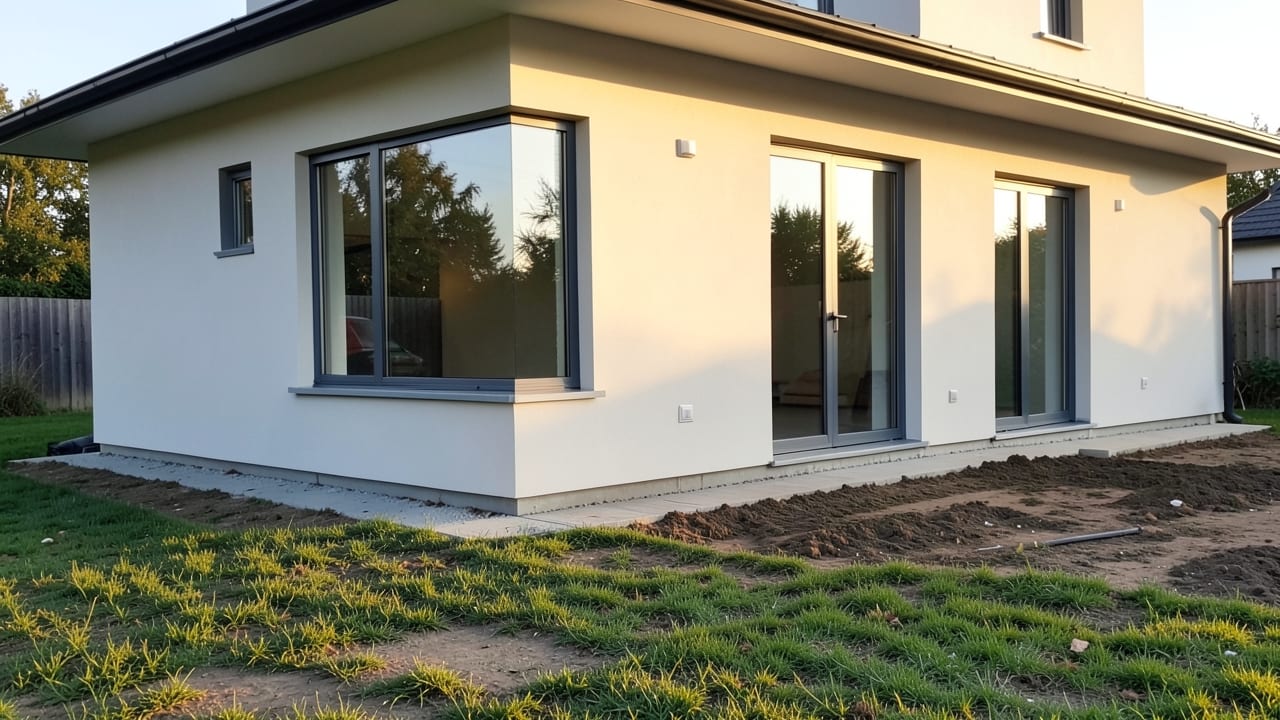
New Construction Final Clean in Elk Grove, CA
Thorough post-construction cleanup using pressure washing to remove debris, dust, and residue from new builds.
Learn More
Hard Water Stain Removal in Elk Grove, CA
Pressure washing to remove hard water stains from exterior surfaces.
Learn More
Salt Deposit Removal in Elk Grove, CA
High-pressure washing to remove salt deposits from surfaces like driveways and sidewalks.
Learn MoreCommon Questions About Pressure Washing in Elk Grove
Everything you need to know about pressure washing services in Elk Grove
How much does Tennis Court Cleaning typically cost in Elk Grove, CA?
Does winter road salt affect driveway washing needs in Elk Grove, CA?
Is renting a pressure washer and doing the job at home a reasonable option?
How long does washing a typical house exterior take?
Can pressure washing damage concrete, pavers, or mortar joints?
What are the actual named steps in a professional pressure washing job?
Need Pressure Washing in Elk Grove?
Get a written quote from our Elk Grove crew.
⏰ We answer your call • Serving all of Elk Grove and surrounding areas